Prospective candidate for WHO Director-General
Dr. María Neira
Proposed by the Government of Spain
Health as the compass for a changing world
A physician who began in refugee camps and conflict zones, and has spent more than three decades at WHO bringing science, governments and partners together around problems no country can solve alone.
Vision
Ready for what comes next
Populations are ageing. Chronic disease and health costs are rising, infectious threats persist, and climate and environmental change are reshaping health risks. Artificial intelligence is transforming science and medicine. WHO must not only respond to these changes. It must understand where they are taking human health, and help countries prepare for what comes next.
As Director-General, Dr Neira’s leadership would be grounded in medical knowledge and experience, guided by a clear moral compass, and sustained by intellectual curiosity and a willingness to question established assumptions. Effective leadership begins with listening, is enriched by different perspectives, and depends on the ability to distinguish what must be preserved from what needs to evolve.
“My central proposition is simple: health should be the compass for a changing world.”
Three fundamental questions would guide her decisions and WHO’s priorities:
1
Will this improve people’s health?
2
Will this strengthen countries’ ability to act?
3
Will this reach people facing the greatest barriers to health?
Priorities
Five commitments
Shaped by experience across medicine, public health and institutional leadership, five commitments would define her priorities and guide WHO towards a more effective and purposeful future.
01
Scale up primary prevention
Prevention becomes a central priority, alongside strong health systems, quality care and universal health coverage: tackling tobacco, harmful alcohol use, unhealthy diets and inactivity, and the air, water, food and places that shape health.
“The world cannot treat its way out of preventable illness.”
02
Put the best science and health intelligence within every country’s reach
WHO as a trusted global source of evidence: anticipating emerging threats, safeguarding the independence of its scientific advice, setting standards for the responsible use of artificial intelligence, and bringing affordable diagnostics and digital tools closer to underserved communities.
“WHO should not simply produce knowledge. It should help countries put that knowledge to work.”
03
Strengthen countries’ capacity to act
Investing in the people and institutions lasting progress depends on: the whole health workforce, public-health institutions, regulators, laboratories, surveillance, supply chains and sustainable financing. Progress tracked against a small set of indicators agreed with Member States, and WHO ready to act fast in fragile and conflict-affected settings.
“International cooperation must be judged not only by what it delivers for countries, but by what it enables them to do for themselves.”
04
Make WHO more focused, responsive and accountable
Clear choices about where WHO adds the greatest value, a prioritized programme of work with measurable results, and regular performance reviews with the Executive Board. Headquarters, regional and country offices working as one, with WHO at the centre of a more coherent global health ecosystem.
“Member States deserve transparency about what WHO can deliver with the resources available.”
05
Foster a culture of excellence, integrity and respect throughout WHO
An organization where talented people can do their best work, with clear direction, trust in their expertise and room to grow. Zero tolerance for harassment, bullying or discrimination, accountability regardless of seniority, and the same standards of evidence for every country, without favour or exception.
“WHO should exemplify the standards of excellence, integrity and respect it expects of others.”
Health as the compass for a changing world
How these five commitments would work in practice, in Dr Neira’s own words.
Journey
From the patient to the population
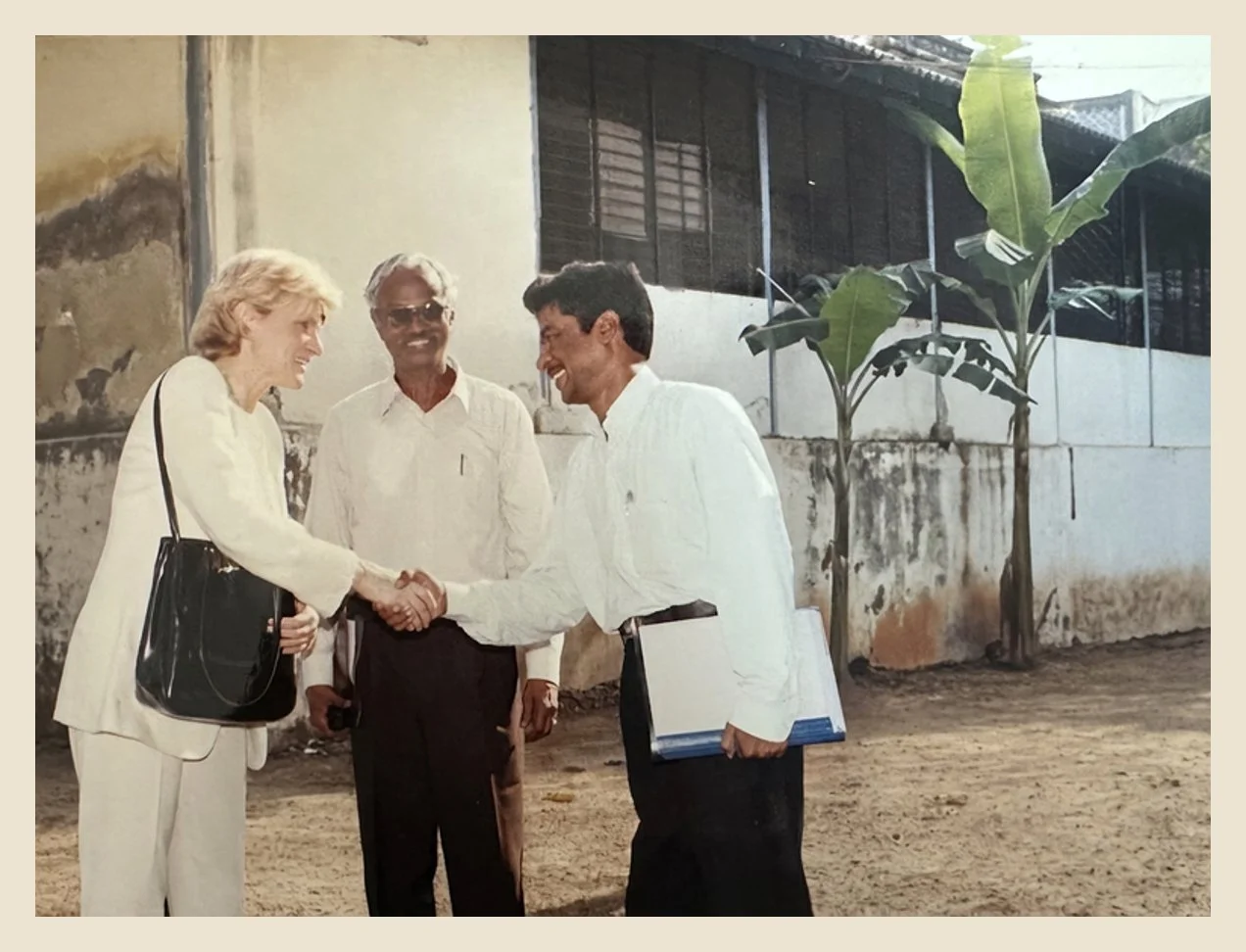
Dr María Neira began her career as a doctor working with people caught in conflict and displacement. What she learned there has guided her work ever since: good health begins with caring for each person, but it also depends on creating the conditions in which people and communities can live healthier lives.
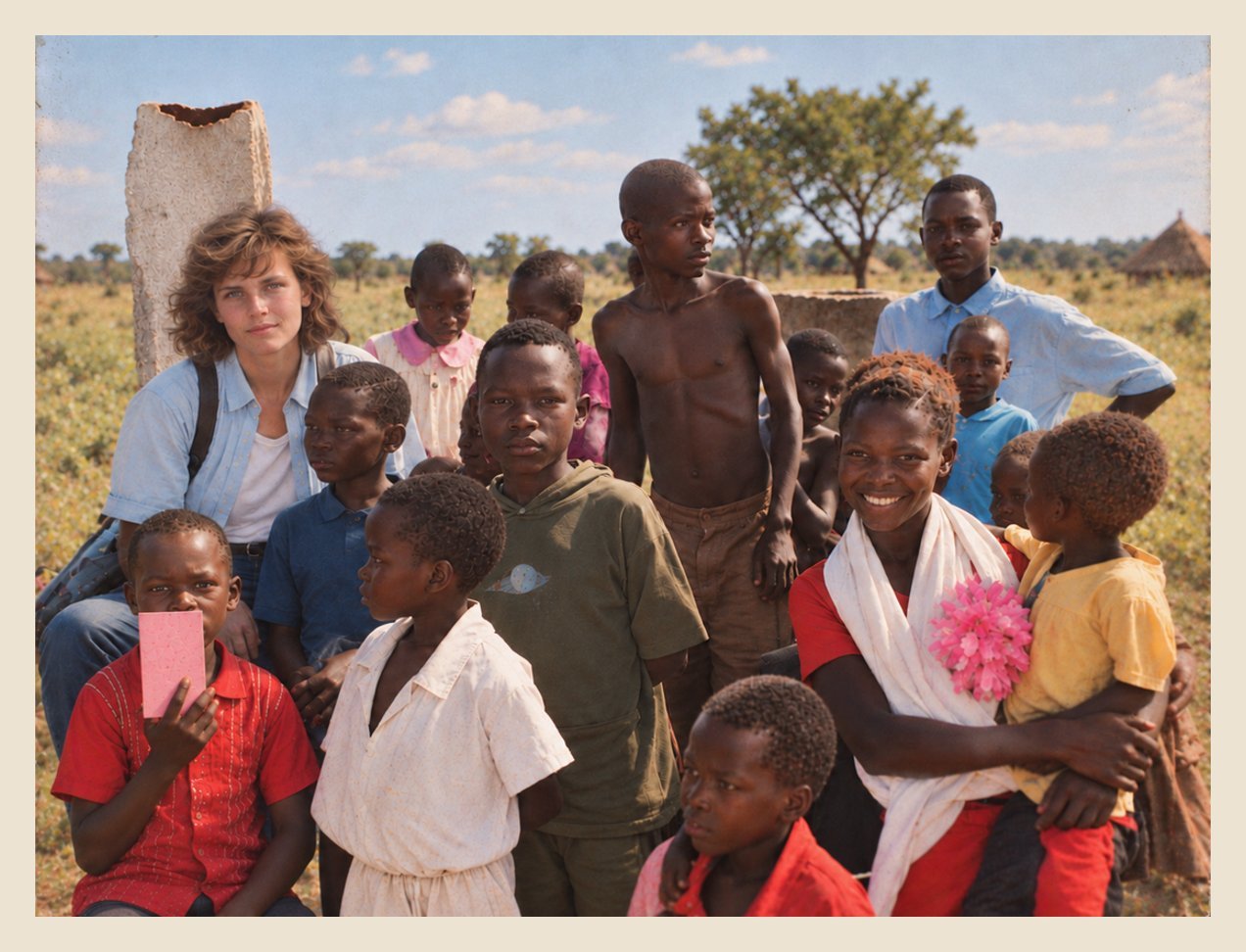
The front line · 1987–1994
Conflict and displacement
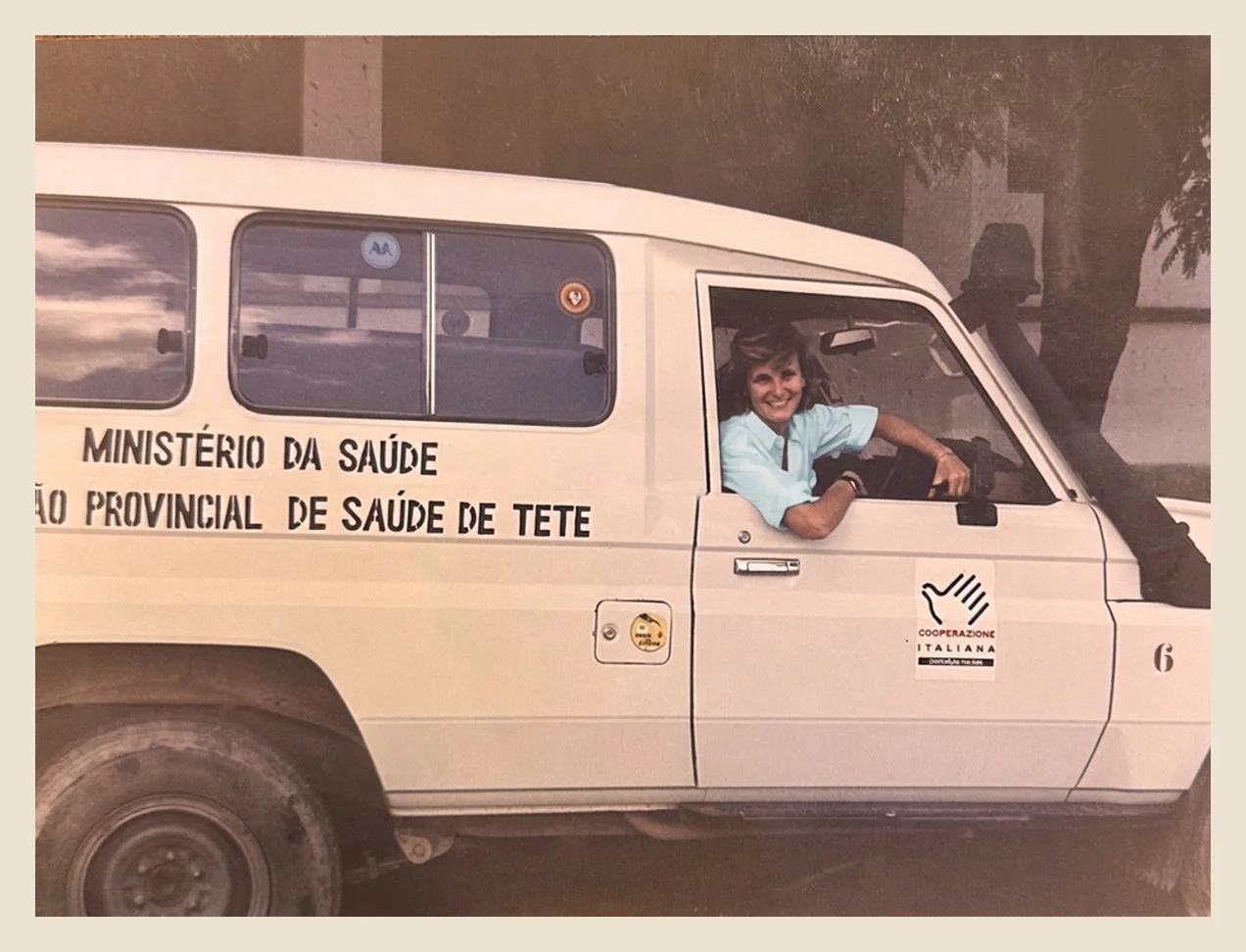
Refugee camps on Honduras’s borders with El Salvador and Nicaragua, Mozambique during the civil war, Rwanda at the time of the genocide. Treating patients, running clinics, and working on epidemics, nutrition, vaccination, maternal and child health, sanitation and surveillance.
Medical Coordinator, Médecins Sans Frontières, Honduras, 1987–1989
Physician and public-health adviser, Italian Cooperation, Mozambique, and Medical Director of the UN clinic, UNDP, Rwanda, 1989–1994
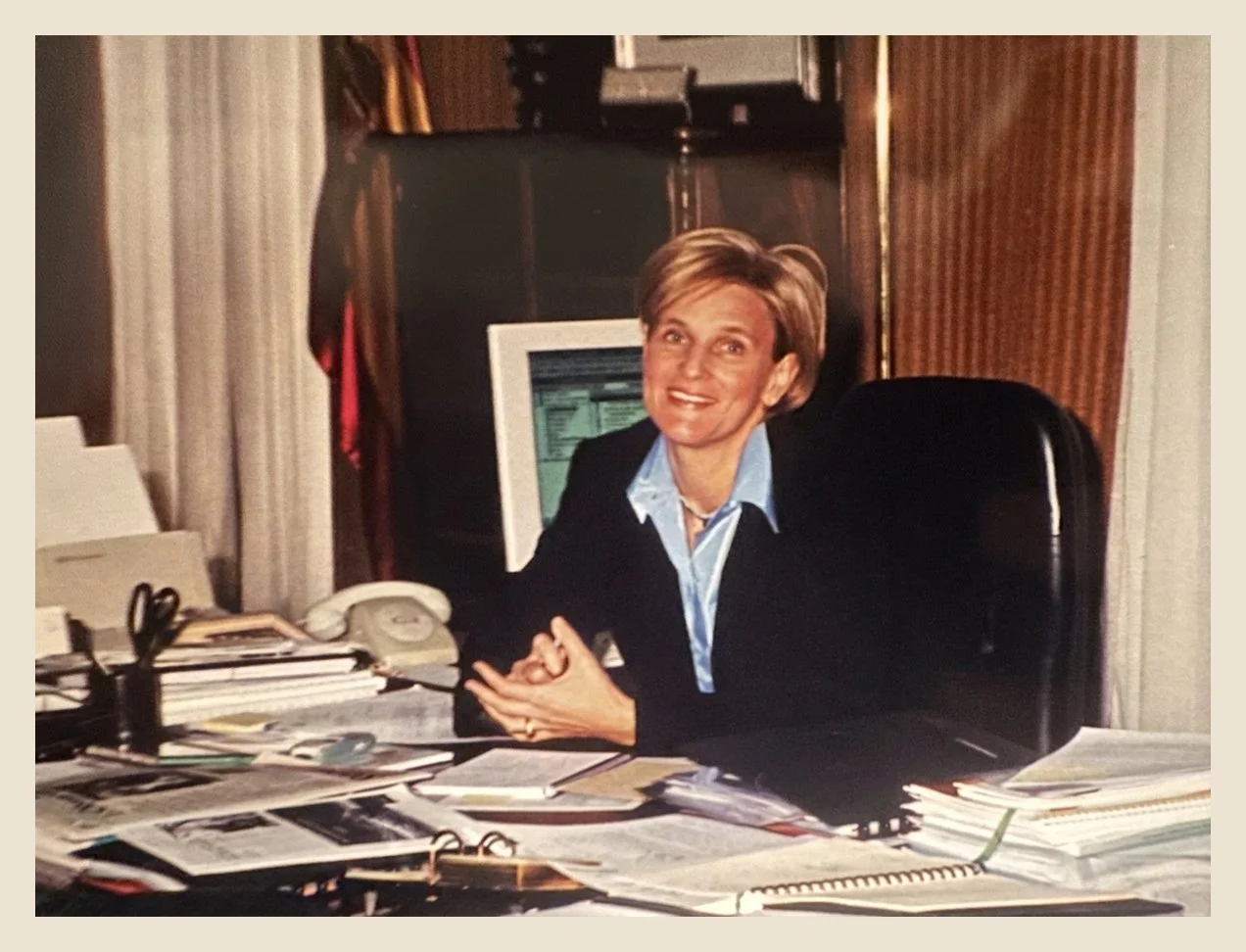
National government · 2002–2005
Public health leadership
Health protection, prevention, food safety and nutrition, including Spain’s NAOS strategy on nutrition, physical activity and obesity prevention, and representing Spain in European and international processes.
Under-Secretary of Health and Consumer Affairs, Government of Spain
President, Spanish Food Safety Agency
World Health Organization · 1994–2025
More than three decades
Epidemics and neglected diseases, environmental health, air pollution and climate change, bringing science, governments and partners together around problems that demand collective action.
Coordinator, Global Task Force on Cholera Control, 1994–1998
Director, Control, Prevention and Eradication (later Neglected Tropical Diseases), 1998–2002
Director, Environment, Climate Change and Health, 2005–2025
Achieved together
WHO Global Air Quality Guidelines, and the World Health Assembly target to halve the health impacts of air pollution by 2040

Health at the centre of the global climate agenda, through ATACH, the Initiative on Climate Action and Nutrition and the COP process
The first global conferences on air pollution and health, and on climate and health
Global elimination and eradication efforts against neglected tropical diseases, including leprosy multidrug therapy donations

Spain’s NAOS strategy: a food-marketing code, school nutrition plans and national salt reduction

International agreements on chemical safety, radiation, occupational health, water and sanitation

“The scale changes. The purpose does not.”
Values
There is only one health
The health of all depends on the health of each.
“As a woman and a physician, I have seen how poverty, inequality, stigma, conflict and fear affect who becomes ill and who receives care. Countries have different histories, cultures and circumstances. WHO must listen before prescribing, and combine universal principles of human dignity, equity and scientific integrity with respect for those differences.”
People facing the greatest barriers to health must remain central to WHO’s work: women and children, older people, people with disabilities, and people who face stigma, discrimination or exclusion from care.
The question is practical: are our policies and programmes reaching the people who need them?
Recognition
Recognition
Honours for work done with colleagues, governments and partners around the world.
2025
Premio Maruja Mallo, Globalización category
Fundación Ortega-Marañón
2024
Chevalier de l’Ordre national du Mérite
Conferred by the President of the French Republic
2025
Avedis Donabedian Award
2019
Among the 100 most influential people in climate policy
Apolitical
2025
Premio Sanitarias
Redacción Médica
Extraordinary Woman Award
Presented by HM Queen Letizia of Spain
Media
In her words
Four decades of writing across infectious disease, nutrition, chemical safety, health financing, sustainable development and climate.
Selected publications
Climate change and health: three grand challenges
Nature Medicine 2023 · Read
The case for public financing of environmental common goods for health
Health Systems & Refom · 2019 · Read
Indicators linking health and sustainability in the post-2015 development agenda
The Lancet · 2015 · Read
The impact of endocrine disruption: a consensus statement on the state of the science
EHP · 2013 · Read
The Spanish strategy for nutrition, physical activity and the prevention of obesity
British Journal of Nutrition · 2006 · Read
The final push to eliminate leprosy
International Journal of Leprosy · 2001 · Read
Vision and Priorities for the World Health Organization
Candidacy statement · 2026 · Read
Join
The WHO I want to lead
“The world ahead will bring risks we understand and others we cannot yet see. It will also bring scientific and technological possibilities we are only beginning to understand.
That is the WHO I want to lead: scientifically strong, prepared for change, and focused on helping countries turn knowledge into better health.
I begin this journey as I began my work in public health: with curiosity, determination and the conviction that every life deserves our attention.”
“If you share my conviction and believe in the power of public health, join me.”
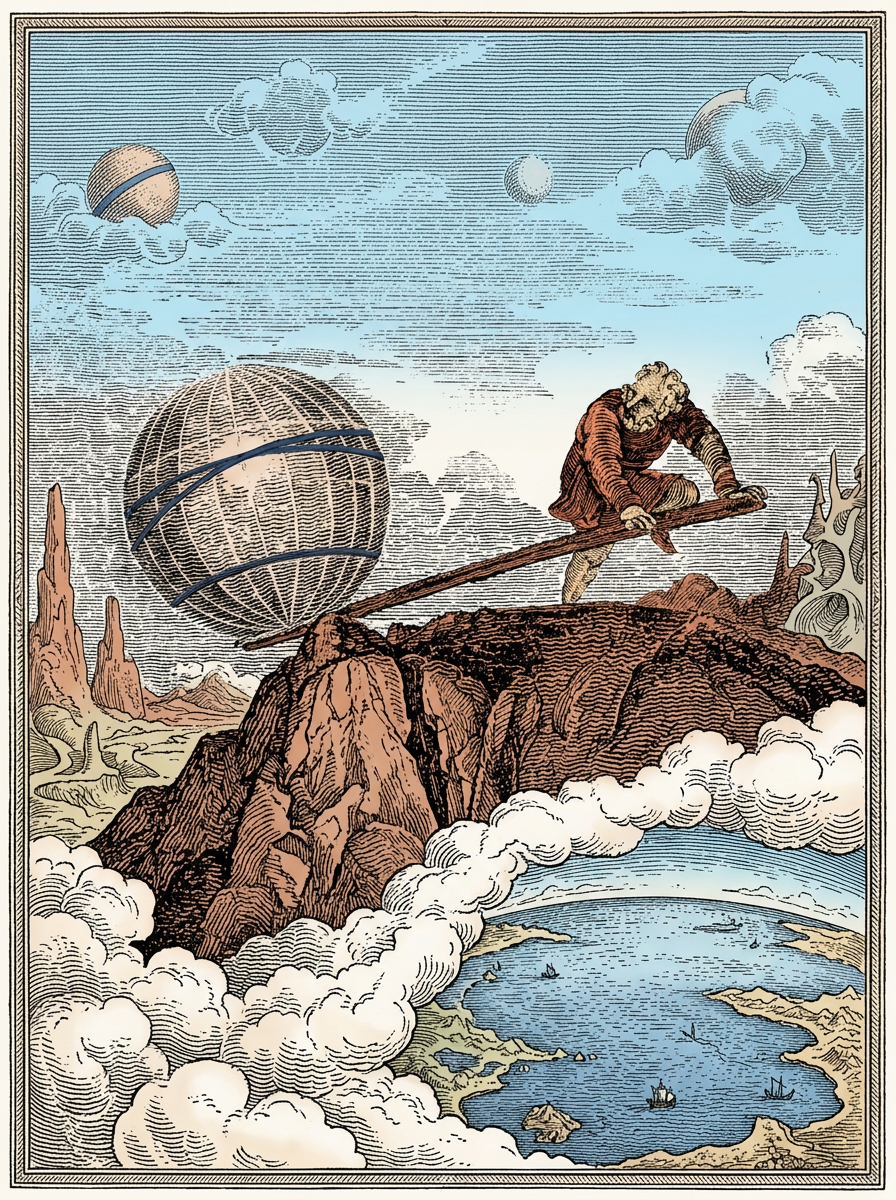
“Give me a lever long enough and a fulcrum on which to place it, and I shall move the world.”
Archimedes of Syracuse
Contact
Get in touch
For Member State delegations, media and partners.
Your details are used only to reply to your message. See the Privacy Policy.